This Amazing
SCIENTIFIC BREAKTHROUGH Comes From a Unique Tree Bark!
I know it sounds a little “out there” but stay with me and see the proof yourself later in this report. But first, let’s take a trip down memory lane…
Remember the good old days when you could eat white bread?
You’d go to the bread basket and get yourself a couple of slices, spread some mayonnaise and then stack high some honey ham, lettuce, tomatoes, maybe a dill pickle and have a beautiful sandwich for lunch.
Or maybe you recall way back in the day when you could have a side of white rice with your dinner and not worry about increasing your blood sugar.
And what about pasta?
There was nothing more delicious than a big steaming bowl of spaghetti, topped with a hearty tomato sauce and sprinkled with cheese. A delicious supper you’d eat once a week… minimum!

The good old days of American meals. Simple, hearty and, as we were told, part of a balanced diet.
Well now, as you probably know, the game has changed.
Bread, rice, pasta, tomato sauce…
All of these have joined the likes of cake, pie, ice cream and potato chips in the category of foods you must never eat if you want to avoid the dangers of Type 2 diabetes!
But what if I told you there’s a way to start enjoying those kinds of foods again without sacrificing your health?
And that this diabetes fighter comes from… get this… the bark of a tree?
That’s right. The bark peeled off a certain type of tree contains nutrients, that when combined with a few other elements, could finally be the answer to reducing your risk of getting diabetes!
If that wasn’t enough good news, this tree bark extract could also be the answer to lowering your cholesterol AND keeping your high blood pressure in check too!
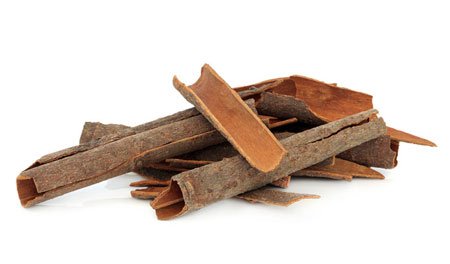
And no, you don’t have to gnaw on a tree to get the benefits of this nutrient.
In just a minute, I’m going to reveal what this tree bark is and how it’s AVAILABLE TO YOU in an exclusive supplement that’s been formulated by one of the most trusted and respected doctors I know.
When this supplement is taken as directed, it could allow you to eat all of those "taboo" foods once again (white breads, rice, pasta, and much more)... without having to worry about becoming diabetic.
Plus it…
REDUCES blood glucose levels;
CURBS Appetite and reduces binge eating;
REGULATES longer-term glucose metabolism;
CUTS DOWN your sugar cravings;
AVOID heart disease, liver problems, osteoporosis & diabetes
FIGHTS inflammation and reduce stroke risk.
I’m Joe Barton of Barton Nutrition. Since 2004, I’ve been helping thousands of Americans get healthier researching and publishing secret home cures and effective alternative remedies.
And it wasn’t until recently that I had to take action on the American epidemic of Type 2 diabetes.
And if you think calling diabetes an epidemic is a little over zealous, let me reveal this to you:
According to the Center for Disease Control (CDC), over 30 million Americans… or about 9% of the population… have diabetes.

But here's something more scary:
Approximately 84 million more people have a condition called prediabetes, which is commonly left untreated and can lead to full blow diabetes within 5 years.
That’s over 114 million Americans who either have or are at risk of developing Type 2 diabetes.
And as you get older, your risk skyrockets. Most cases of Type 2 Diabetes occur in middle-aged adults, especially ones with an inactive lifestyle or who are carrying around a few extra pounds.
What Happens When You Develop Diabetes?
It’s not pretty. For example…
Have you heard of Diabetic Foot?
Diabetic foot (sometimes called diabetic neuropathy and peripheral vascular disease) is probably the scariest and most horrible condition I’ve ever heard of or seen.
You see, when you have diabetes, the high glucose levels in your bloodstream can cause nerve damage, especially to the lower legs and feet.

This causes loss of feeling and sensation in your feet. And it’s a slow process, so you may not even know you’ve lost that sensation until it’s too late.
So what happens next? You might develop a sore or a blister on your foot. And since you don’t have much feeling down there, you don’t realize you have a would on your foot.
The wound becomes horribly infected and won’t heal properly. Next thing you know, your foot is black and gangrenous and you’re in the emergency room, begging with the doctor not to amputate your foot.
But it’s too late. You’re being prepped for surgery and your life is about to change forever.
This is a common story that has happened to many people, all because they couldn’t get their diabetes under control.
And it’s not just amputation.
Diabetes can cause:
Heart Disease
Kidney Damage
Blindness and Eye Damage
Hearing Impairment
Skin Disease
Even Alzheimer’s Disease!
If that wasn’t bad enough, sometimes “what the doctor orders” to help treat your diabetes can be almost as dangerous as type 2 itself.
Case in point:
Recently reported in Diabetes Forecast magazine, a Type 2 diabetes drug was shown in a study to double the risk of amputation than that of a placebo!
Would you risk taking a drug that could double your risk of having a limb amputated??? I know I wouldn’t.
It’s a double-edged sword because you take the drug, you double your risk of amputation. You don’t take anything to help, you still have the risk of amputation.
When I heard this news, plus knowing a few friends and family members suffering from Type 2 diabetes, I had to do something.
Sure, publishing healthy advice and breakthroughs has been my life. But I needed to do more.
So, I talked with my good friend and colleague Dr. Scott Saunders.

Dr. Saunders and I are like-minded when it comes to finding alternative cures that don’t have the same risk factors… like amputation… that common solutions do.
He graduated from UCLA Medical School, but grew LIVID with “the system” which didn’t allow much for alternative remedies – even though he knew they were more effective with less side effects.
He is now the medical director of The Integrative Medicine Center of Santa Barbara, which balances conventional medicine with alternative healing modalities to achieve optimal wellness.
So we got to work on finding a way to help as many people as possible.
We spent countless nights reading about medical studies and research trials.
And it wasn’t until we found out about this special tree bark… all the way from China… that we had the beginnings of what would be one of the greatest accomplishments of my life.
You see, this bark is actually quite common here in America, but up until now, it was rarely used as a treatment for Type 2 diabetes.
Dare I say, you could find this stuff in grocery stores, specialty stores, even bakeries and cafés were using it regularly.
But what very few people knew about was the effective properties it had for helping defeat diabetes.
The official name of this tree bark is Cinnamomum Cassia.
You might know it as cinnamon, and it’s Diabetes Fighting Nutrient #1.
Now, I’m not talking about any type of cinnamon. There is more than one type and it’s key that you get the right one if you’re worried about diabetes.
WHY THE FALSE STUFF IS THE BEST STUFF
The cinnamon you want is actually called “false cinnamon.”
Ceylon cinnamon (Cinnamomum zeylanicum) is considered to be the real stuff.
But if you want to fight diabetes, it’s the Chinese Cassia… the false cinnamon… is the one to look for.
And it’s been proven by science!
In a recent study, 9 men and 9 women, each suffering from Type 2 diabetes, participated in a 12-week trial. The last 9 weeks of the trial, half of the participants were given Cinnamomum cassia, the other half given a placebo.
The results?
“All of the subjects that were in the cinnamon group had a statistically significant decrease in their blood sugar levels…”
Even more astonishing was the conclusion that the level that the blood sugar levels decreased was comparable to diabetes medications!
That’s right, the cinnamon worked as well as the drugs!
But without the harmful side effects like having your feet amputated!
While cinnamon by itself has all the benefits proven in studies to help fight Type 2 diabetes, it needs the help of some other key nutrients to really be effective.
Which brings me to Diabetes Fighting Nutrient #2…
The Binge Eating Protector!
Binge eating, by definition, is a pattern of disordered eating that includes episodes of uncontrollable eating.
But let’s just call it what it is:
Sitting in front of the refrigerator, eating all of the leftovers without moving, or…
Watching TV with a big bag of potato chips and then wondering where it went, or…
Eating an entire tub of ice cream in one sitting or devouring the whole box of cookies or… well you get the idea.
Heck, I’ve done it on occasion myself. But it’s when it becomes a habit, is when it can really take a toll on your health.
You become obese and develop Type 2 diabetes.
You go on a diet and starve yourself for weeks… even months… before “falling off the wagon” and maybe eating more, ballooning back up again. Binge eating also is linked to depression, so not only are you physically unhealthy, but your state of mind is impaired too.
But Diabetes Fighting Nutrient #2, which is a key ingredient in the supplement I hinted about earlier, has been proven in a scientific study to not only improve mood and appetite to prevent binge eating, but could also regulate your glucose levels.
It’s called chromium. But you might call it a miracle.
In a randomized, double-blind placebo study (the gold standard in the medical world), 24 overweight adults with binge eating disorder were given either chromium picolinate or a placebo for six months.
The results were amazing.
The chromium group (which included two different sized dosages) saw their fasting glucose levels reduced when compared to the placebo group.
They also saw “greater reductions in binge frequency, weight and symptoms of depression” compared to the placebo group.
As you can see, in two separate clinical studies, both the cinnamon and the chromium showed promise in helping those with Type 2 diabetes or those who were on the cusp of getting the disease, fight the disease by regulating their glucose levels, even reducing their blood sugar levels, while helping mood, appetite and depression.
When Dr. Saunders and I looked at these results, the choice was clear.
Our new supplement formula had to, at the very least, include both of these Diabetes Fighting Nutrients.
Introducing CinnaChroma
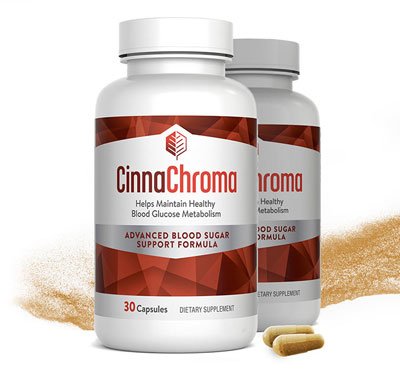
CinnaChroma combines the clinically proven blood sugar lowering benefits of both cinnamon and chromium in a single supplement.
While having cinnamon and chromium is great one-two punch for a supplement, we didn’t stop there.
Like I said earlier, we have 6 amazing Diabetes Fighting Nutrients combined into this one supplement and Diabetes Fighting Nutrient #3 is probably the most powerful, yet misunderstood nutrient in the world.
It’s called selenium and you may have heard about it, but probably haven’t grasped how powerful it is.
Proven by multiple studies, selenium:
Acts as an antioxidant…
can reduce your risk of cancer…
prevent heart disease…
can slow mental decline…
is great for your thyroid…
and boosts your immune system.
And yes, in another study, it was proven that people with higher selenium levels had a decreased risk of diabetes.
But there’s a catch.
Taking selenium without chromium and could actually cause diabetes!
So, if you’re thinking of just taking selenium, you might be in for an unpleasant surprise down the road.
That’s why we include chromium, along with selenium and cinnamon bark extract in CinnaChroma: to help give you the best nutrients in the right combination to help you achieve maximum health.
Diabetes Fighting Nutrient #4 works in tandem with chromium to make sure that selenium doesn’t lead to diabetes.
It’s called vanadium and it’s a little-known trace element which has some very powerful attributes.
In a historic study, vanadium was added to the drinking water of lab rats who were diabetic. The results were mind-blowing!
The elevated blood sugar in the rats returned to normal levels. But even more amazing, in subsequent studies with different species, the vanadium helped lower the insulin levels by 75%!
Plus, like chromium, the addition of vanadium can help reduce the risk of diabetes if you have elevated selenium levels.
And since vanadium is a mineral… and minerals help reduce sugar cravings… taking vanadium can help steer you away from eating those sweet treats that increase your weight and belly fat which can lead to Type 2 diabetes.
CinnaChroma is the only supplement formulated by Dr. Saunders that combines the power of six super nutrients that we call Diabetes Fighting (DF) Nutrients.
You’ve already heard about four of them:
The last two ingredients in CinnaChroma, Diabetes Fighting Nutrients #5 and #6 , are definitely not last when it comes to healing properties and benefits.
They’re both vitamins that give you a powerful boost when it comes to fighting diabetes.
Vitamin D3 and Vitamin K are the finishing touches to CinnaChroma’s ability to help those concerned about Type 2 diabetes.
Vitamin D3 is one of the most essential vitamins, especially for seniors who are most at risk for vitamin D deficiency, which could cause a myriad of problems.
A recent large study in China found a clear correlation between low Vitamin D3 levels and a wide range of health issues—cardiovascular disease, liver problems, osteoporosis and diabetes!
As for Vitamin K2, it’s the vitamin that can be found in vegetables like kale and broccoli and helps fight inflammation, improve cognitive function, help bone health and has even been shown to reduce the risk of stroke.
The Six Diabetes Fighting Nutrients of CinnaChroma!
I’m sure you’ll agree that the six Diabetes Fighting (DF) Nutrients I’ve just revealed to you are enormously powerful on their own.
But when combined in the perfect formulation, under the strict supervision of a practicing medical doctor like Dr. Scott Saunders, you get what I believe is the most effective solution to helping those concerned about Type 2 diabetes.
And that’s why CinnaChroma is so powerful. It combines the following nutrients into one supplement:
CinnaChroma is manufactured in an FDA-regulated facility, right here in the good old U.S.A., using only quality sourced ingredients. You won’t find unnecessary fillers or by products in this supplement.
In my opinion, CinnaChroma is a must-have supplement for everyone who wants to avoid developing diabetes or who are concerned that they may already have diabetes or pre-diabetes.
Here's what other CinnaChroma customers are saying...
The Testimonials below are unedited, and have been submitted from real people just like you. None of these people were compensated for their testimonial. Your results may vary.
I’ve taken CinnaChroma every day now for over 3 months. Fasting Glucose test is back to normal. It had been very high. I feel great. Of course the use of CinnaChroma was accompanied by resuming exercise.
~ Lawrence B.
~ Lawrence B.
I take it every day. My blood sugar dropped on point after 4 months. In fact, I would like to order 6 more bottles. It helped my type 2 Diabetes disappear.
~ Mark D.
~ Mark D.
After only 5 wks my A1C dropped from 6.5 to 6.1. My BIG surprise was that my triglycerides dropped from 250 to 169, total cholesterol dropped from 204 to 159 and the bad LDL dropped from 106 to 78.2. I hadn’t expected that! I was amazed with lab results after just 5 weeks. We just put my adult grandson on it a week ago and when he checks his sugar each morning his numbers are getting lower. Now being ordered by my sister as well.
~ Linda K.
~ Linda K.
I was formerly at 10 units prior to each meal, dropped to 6 units for breakfast only! Fasting sugar down from the 130’s to low 80’s. Quite remarkable is it not? I give it a 10 out of 10 stars, quite simply because it works far better than it claims it does. I am so close to seeing a complete reversal of my symptoms I can taste the sweetness of success with Cinnachroma.
~ Larry R.
~ Larry R.
Positive results: Weight loss, lower blood sugar readings, more energy than before. Excellent product making a difference in my health.
~ Janet A.
~ Janet A.
Cravings are gone, have lost 16 lbs. Can pass up sweets.
~ Charline I.
~ Charline I.
Try a Risk-Free Bottle of CinnaChroma Today!
So now you’re probably asking yourself:
“Okay Joe, I get it. CinnaChroma is something I need to have in my kitchen pantry or medicine cabinet as part of my healthy lifestyle! So how do I get a bottle today and how much is it going to cost me?”
Well, today, I’m going to let you try CinnaChroma risk-free and at a significant discount when you buy multiple bottles.
You can get a 3 months supply… 3 bottles that will last 90 days… for just $147! That’s a further savings of 12% off the regular rate… AND I’ll pay the shipping and handling in the US!
But the best news?
You can order a 6 month supply… a half a year’s worth of CinnaChroma or enough to share with your loved ones… for only $234! That’s 41% off the regular rate and includes free shipping and handling in the US.
But you need to act quickly!




We kindly accept Visa, Mastercard, Discover and American Express
My Triple Risk-Free Satisfaction Guarantee
No matter which offer you choose. one bottle for $59… 3 bottles for $147… or a 6 bottles for $234, you’re protected by our 100% Triple Satisfaction Guarantee:
GUARANTEE #1 : If you’re not happy with CinnaChroma… for any reason at all during the first 30 days, let us know and we’ll send you back a full refund of your purchase price.
GUARANTEE #2 : If you’ve finished a bottle (or more than a bottle) after 30 days and decide that you’re not convinced of the power of CinnaChroma, we’ll send you a full refund of your purchase price and you can send us back any bottle we’ve shipped to you… even the empty ones!
GUARANTEE #3 : If you’ve given CinnaChroma a fair shake and are still not satisfied with it for any reason, let us know up to 12 full months later… that’s a full year after your first purchase… and we’ll refund every penny you purchased.
That’s how confident we are that you’re going to not only love CinnaChroma, but that you’ll be convinced it’s an essential part of your healthy lifestyle.
So, you’ve seen the power of the six Diabetes Fighting (DF) nutrients in each and every bottle of CinnaChroma…
You’ve been given three options to try CinnaChroma at home…
You’ve been protected by a triple-guarantee so that you have virtually zero risk to try CinnaChroma…
So now’s the time to take action.
Click on your option below and get back to a healthier life with CinnaChroma.
Thank you for your time today and God bless you and your family!
Yours for excellent health,
Joe Barton
Joe Barton

Free US Shipping Today, when you buy 3 or 6 bottles!




We kindly accept Visa, Mastercard, Discover and American Express
Just ask some of our customers...
Glenda D.
Verified Buyer
CinnaChroma-30ct
it is just what i need an no side effect i am so great full i could afford it thank you much i can’t thank you enough you safe my life an the life of my husband
CinnaChroma – 30 ct. bottle
Alan M.
Verified Buyer
Very good product!! Helps to
Very good product!! Helps to stabilize my glucose.
CinnaChroma – 30 ct. bottle
×
⚠️
Warning: You won’t find authentic CinnaChroma on Amazon, eBay, or in retail stores.